Heat Pumps in St. Catharines: Energy-Efficient Heating and Cooling for Year-Round Comfort
- Brian Easton HVAC Group
- Jun 8
- 5 min read
Why Heat Pumps Are Becoming So Popular in Niagara
Homeowners in St. Catharines and across the Niagara Region are increasingly looking for energy-efficient alternatives to traditional heating and cooling systems. One of the fastest-growing solutions is the heat pump system, which provides both heating in the winter and cooling in the summer using a single, highly efficient unit.
Unlike traditional furnaces and air conditioners that generate heat or cold air separately, heat pumps transfer heat from one place to another. This makes them significantly more energy-efficient and environmentally friendly.
As energy costs continue to rise in Ontario, more homeowners are turning to professional HVAC providers like Brian Easton HVAC Group to install and service modern heat pump systems.
What Is a Heat Pump and How Does It Work?
A heat pump is a dual-purpose HVAC system that provides both heating and cooling by moving heat energy rather than generating it.
In simple terms:
In winter, it extracts heat from outdoor air and transfers it inside
In summer, it removes heat from inside the home and moves it outdoors
Even when outdoor temperatures are cold, heat energy still exists in the air — and heat pumps are designed to capture and transfer it efficiently.
The system includes:
Indoor air handler
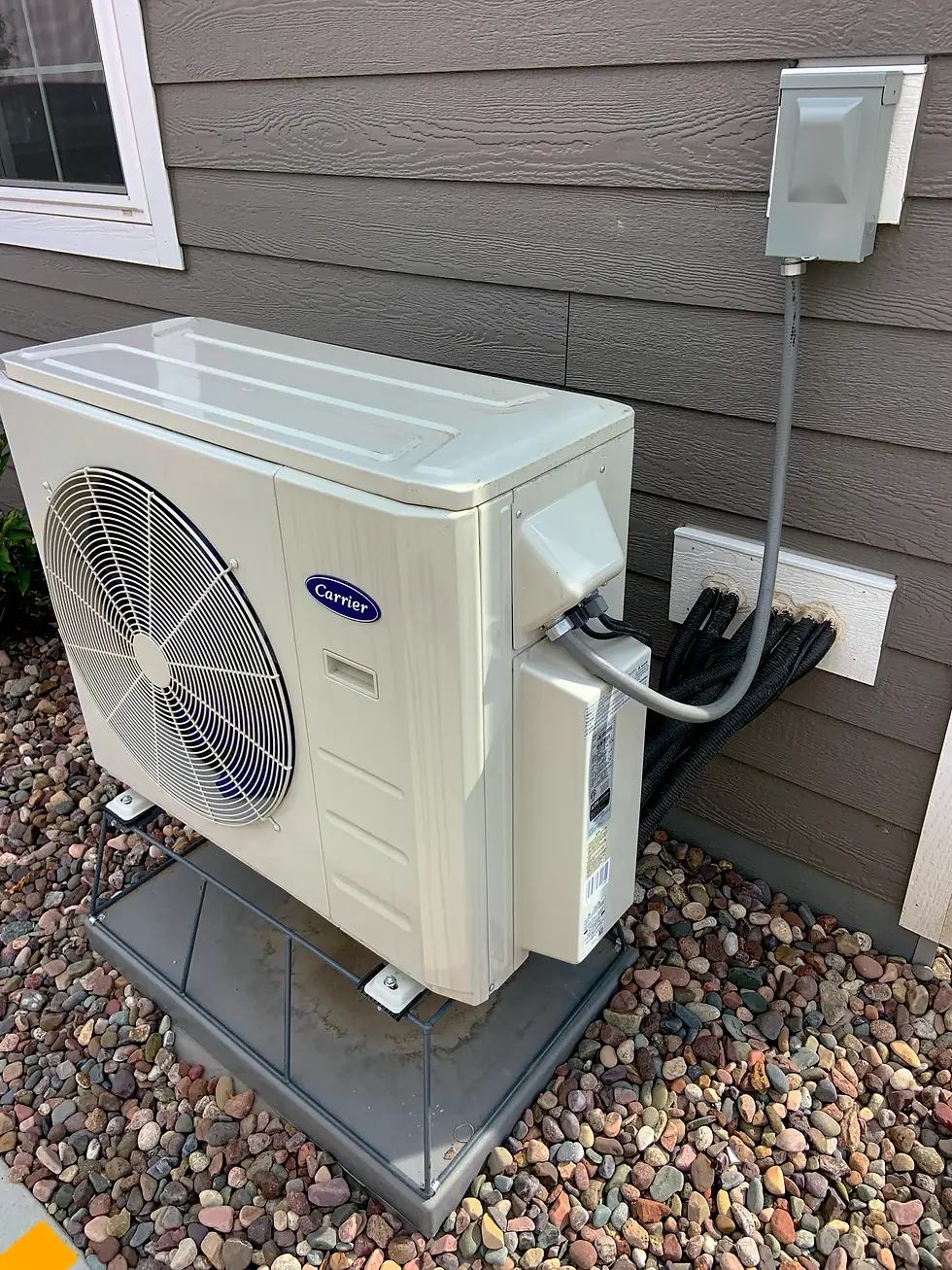
Outdoor compressor unit
Refrigerant lines
Reversing valve (for switching between heating and cooling modes)
Thermostat control system
This design allows year-round comfort using a single integrated system.
Why Heat Pumps Are Ideal for Niagara Homes
Niagara’s climate is well-suited for modern heat pump technology. While winters can be cold, they are not extreme enough year-round to prevent efficient operation of today’s cold-climate heat pumps.
Heat pumps are especially beneficial in St. Catharines because they provide:
Efficient heating during moderate winter conditions
Reliable cooling during humid summers
Reduced reliance on fossil fuels
Lower monthly energy costs
Year-round temperature control from one system
For many homeowners, heat pumps are replacing older furnace and AC combinations or working alongside them in hybrid systems.
Types of Heat Pump Systems
There are several types of heat pump systems available depending on home size, layout, and energy goals.
Air-Source Heat Pumps
The most common type, these systems transfer heat between indoor air and outdoor air.
They are:
Highly efficient in moderate climates
Suitable for most residential homes
Capable of both heating and cooling
Cold Climate Heat Pumps
These are designed specifically for colder regions like Ontario.
They:
Operate efficiently in sub-zero temperatures
Provide strong winter heating performance
Reduce the need for backup heating systems
Ductless Mini-Split Heat Pumps
Ideal for homes without ductwork, these systems:
Offer zoned temperature control
Are highly energy efficient
Provide quiet operation
Allow room-by-room customization
Each system offers unique benefits depending on the home’s structure and energy needs.
Heat Pumps vs Traditional HVAC Systems
One of the most common questions homeowners ask is how heat pumps compare to traditional furnace and air conditioning setups.
Furnace + AC Systems
Separate systems for heating and cooling
Higher energy consumption overall
Reliance on gas or electric heating
Two systems requiring separate maintenance
Heat Pump Systems
One system for both heating and cooling
Lower energy consumption
More environmentally friendly
Reduced long-term operating costs
While traditional systems still perform well in extreme conditions, heat pumps offer superior efficiency for most of the year in Niagara’s climate.
Energy Efficiency and Cost Savings
One of the biggest advantages of heat pumps is energy efficiency.
Because they move heat instead of generating it, they use significantly less electricity than traditional electric heating systems.
Benefits include:
Lower monthly utility bills
Reduced carbon footprint
Improved seasonal efficiency
Better long-term operating costs
Homeowners often see noticeable savings, especially when replacing older furnaces or electric baseboard heating systems.
Over time, these savings can offset the initial installation cost of the system.
Signs It’s Time to Upgrade to a Heat Pump
Many homeowners consider switching to heat pumps when their current systems begin to show signs of age or inefficiency.
Common indicators include:
High heating and cooling bills
Uneven temperatures throughout the home
Frequent furnace or AC repairs
Outdated HVAC equipment (15+ years old)
Desire for improved energy efficiency
Upgrading to a heat pump can significantly improve comfort while reducing long-term costs.
Installation Considerations for Heat Pumps
Proper installation is critical for system performance and efficiency.
Key installation factors include:
Correct system sizing for the home
Proper ductwork compatibility (if applicable)
Electrical capacity assessment
Outdoor unit placement for airflow
Insulation and home energy efficiency
A poorly sized or incorrectly installed system can reduce efficiency and lead to performance issues.
That’s why professional installation from Brian Easton HVAC Group ensures the system is optimized for the specific home environment.
Cold Weather Performance in Ontario
A common concern among homeowners is whether heat pumps can handle Ontario winters.
Modern cold-climate heat pumps are specifically engineered to:
Operate efficiently in freezing temperatures
Maintain steady heating output in cold weather
Automatically adjust performance based on outdoor conditions
In many cases, heat pumps are paired with a backup furnace system for extreme cold days, creating a hybrid system that balances efficiency and reliability.
Maintenance and Long-Term Performance
Like all HVAC systems, heat pumps require regular maintenance to perform efficiently.
Routine service includes:
Cleaning indoor and outdoor coils
Checking refrigerant levels
Inspecting electrical components
Testing system controls
Ensuring proper airflow
Regular maintenance helps:
Extend system lifespan
Maintain energy efficiency
Prevent unexpected breakdowns
Improve indoor comfort
Annual servicing is recommended for optimal performance.
Indoor Comfort and Air Quality Benefits
Heat pumps also contribute to improved indoor air quality.
Because they continuously circulate and filter air, they help:
Reduce humidity levels
Improve airflow distribution
Filter airborne particles
Maintain consistent temperatures
When combined with proper filtration systems, heat pumps can significantly improve overall indoor comfort and air quality.
Why Professional HVAC Installation Matters
Heat pump systems require specialized knowledge for proper installation and calibration.
Professional HVAC technicians handle:
System design and sizing
Electrical and refrigerant setup
Ductwork integration
Performance testing
Efficiency optimization
At Brian Easton HVAC Group, installations are performed with a focus on long-term performance, energy savings, and system reliability.
Final Thoughts on Heat Pumps in St. Catharines: Energy-Efficient Heating and Cooling for Year-Round Comfort
Heat pumps are one of the most efficient and versatile HVAC solutions available today. For homeowners in St. Catharines, they offer a powerful combination of heating and cooling in a single system, along with significant energy savings and environmental benefits.
As technology continues to improve, heat pumps are becoming an increasingly smart choice for modern homes in Niagara.
With professional installation and service from Brian Easton HVAC Group, homeowners can enjoy reliable, year-round comfort backed by energy-efficient performance designed for Ontario’s climate.


Comments