HVAC Maintenance for New Homeowners: What to Learn About Your System After Moving In
Buying a home comes with a long list of things to learn.
You need to know where the electrical panel is, how the water shutoff works, when the garbage goes out and which light switch controls the basement.
One area that is easy to overlook is the HVAC system.
Your furnace, air conditioner, heat pump, water heater, ventilation equipment and thermostat are among the home's most important mechanical systems. Yet new homeowners often inherit this equipment without knowing its age, maintenance history or operating requirements.
For homeowners moving into a property in St. Catharines, Welland, Niagara Falls, Thorold, Port Colborne, Fonthill, Grimsby or elsewhere in the Niagara Region, taking time to understand the HVAC system can make future maintenance much easier.
Start With the Equipment You Have
The first step is simply identifying what's installed.
A home might have:
A natural gas furnace
An electric furnace
A heat pump
Central air conditioning
A ductless heat pump
A boiler
A water heater
An HRV
Other ventilation equipment
Don't assume you know what the equipment does just by looking at it.
Find the model and serial number information on each major piece of equipment.
These details can be useful when arranging maintenance or repairs and can help determine the equipment's approximate age and specifications.
Find Out How Old the Equipment Is
HVAC equipment doesn't last forever.
Knowing the approximate installation date can help you plan for future maintenance and eventual replacement.
Ask the previous homeowner if records are available.
Look for:
Installation invoices
Service records
Maintenance agreements
Warranty documents
Equipment manuals
Previous inspection reports
Replacement receipts
If the information isn't available, the equipment's labels and serial numbers may still provide useful information to an HVAC professional.
Knowing the age of your equipment is particularly helpful when buying an older home.
Find the HVAC Filter
Every new homeowner should know where the HVAC filter is located.
Depending on the system, the filter may be near the furnace, inside a return-air grille or in another designated location.
Write down the filter size.
Take a photo of the label if necessary.
Most importantly, understand the manufacturer's recommendations for filter replacement.
A filter that is too dirty can restrict airflow, while choosing a filter that is unnecessarily restrictive for the equipment may also create airflow concerns.
Filter maintenance is simple, but it's easy to forget when you're busy settling into a new home.
Learn Where the Thermostat Is and What It Controls
The thermostat may control heating, cooling or both.
Some homes have multiple thermostats or separate zones.
If the property has a smart thermostat, learn its basic schedule and settings rather than assuming everything is configured the way you prefer.
If you're experiencing inconsistent temperatures, don't immediately start making major programming changes.
First understand what equipment the thermostat controls and where it is located.
The thermostat measures conditions at its location, which may not represent every room in the house.
Locate the Main HVAC Shutoffs
New homeowners should know where the major HVAC shutoffs are located.
Depending on the equipment, these may include electrical disconnects, service switches or fuel shutoffs.
However, homeowners should not experiment with unfamiliar equipment or shutoffs simply to see what happens.
Ask an HVAC professional to explain the controls during a service visit if you're unsure.
Knowing where important controls are can be useful in an emergency or during maintenance.
Find Out When the System Was Last Serviced
If you have access to the home's records, look for the most recent HVAC service.
A previous service invoice may tell you:
What was inspected
What was repaired
Which components were replaced
Whether problems were identified
When maintenance was performed
If the records show that the equipment hasn't been serviced for several years, a professional inspection may be worth considering.
This is particularly useful when you're unfamiliar with the condition of the system.
Don't Assume a Recently Purchased Home Has a Perfect HVAC System
A home inspection can identify many visible conditions, but it isn't necessarily the same thing as a comprehensive HVAC maintenance visit.
If you recently purchased a home, don't assume that everything mechanical is operating at peak condition simply because the house passed an inspection.
An HVAC professional can evaluate the equipment's operation and maintenance needs more specifically.
This can be particularly valuable when the equipment is older or when service records are missing.
Pay Attention to Unusual Sounds
New homeowners should learn what normal operation sounds like.
A furnace may make sounds when starting and stopping.
An air conditioner or heat pump will produce operating sounds.
Ductwork may make occasional noises as temperatures change.
But a new grinding, rattling, banging, buzzing or unusual vibration shouldn't simply be ignored.
If the sound is significantly different from normal operation, have the equipment assessed.
Catching changes early can sometimes prevent a minor issue from becoming a larger repair.
Look at the Condition of Accessible Ductwork
If your home has exposed ductwork in a basement or utility area, take a quick look.
You're not trying to diagnose the system yourself.
Simply look for obvious concerns such as:
Disconnected sections
Visible damage
Loose components
Missing insulation
Unusual condensation
Signs of previous water problems
Hidden ductwork obviously can't be inspected visually without opening walls or ceilings.
If you notice something unusual in an accessible area, mention it during your next HVAC service.
Check the Supply and Return Vents
Walk through the house and identify where conditioned air enters and where air returns to the HVAC system.
Make sure furniture hasn't been placed directly over important vents.
A new furniture arrangement can accidentally restrict airflow.
Pay particular attention to rooms that already have comfort issues.
If one bedroom is consistently warmer or colder than the rest of the home, note it and mention it to your HVAC professional.
Learn About the Home's Ventilation System
Some homes have dedicated ventilation equipment such as an HRV.
If yours does, find out:
Where the unit is located
Where its filters are
How often maintenance is recommended
Where the outdoor intake and exhaust are located
Whether it has dedicated controls
This is particularly important during winter when snow or debris could obstruct exterior ventilation openings.
If you're not familiar with the equipment, ask for an explanation rather than guessing how it operates.
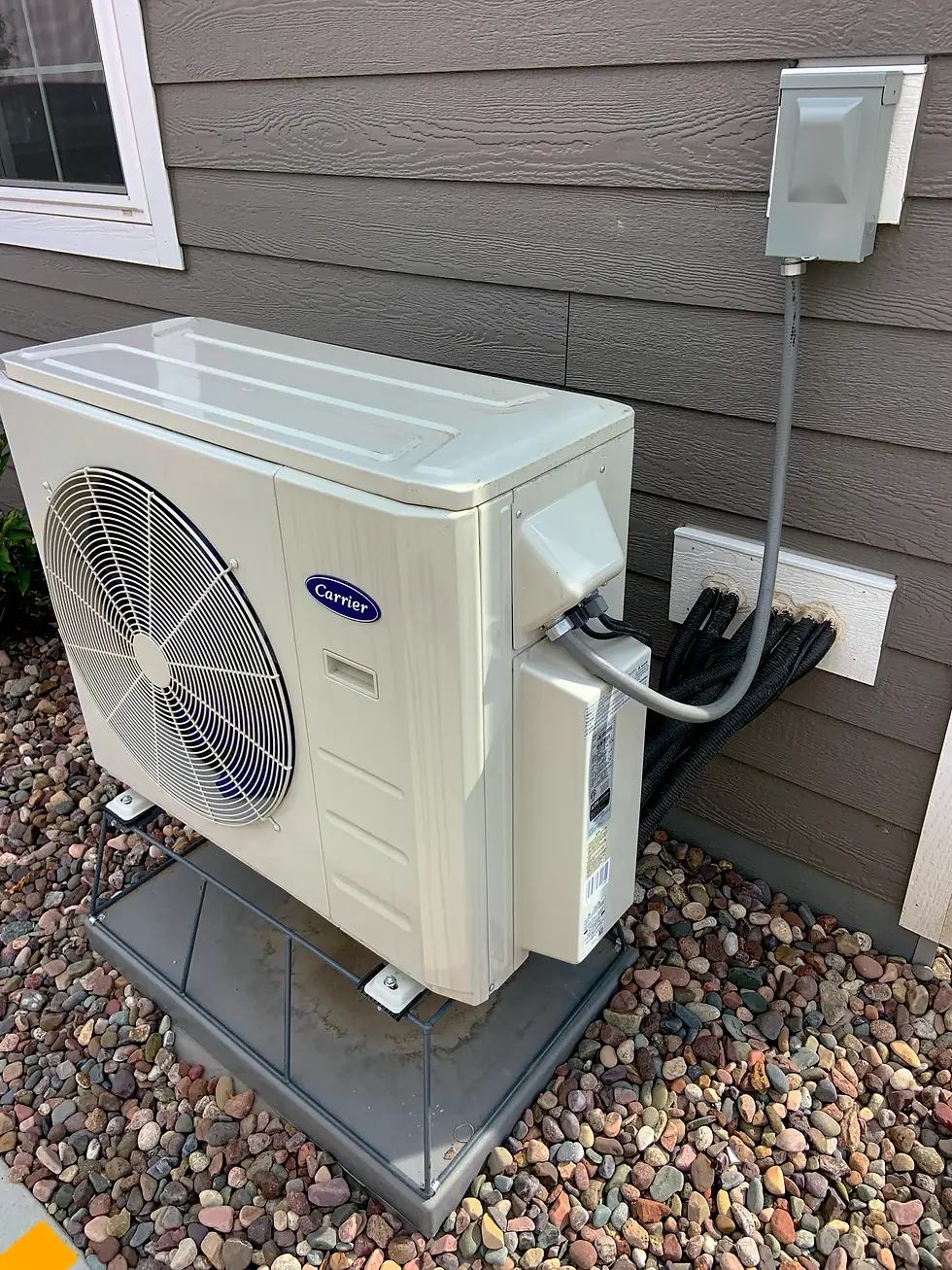
Don't Forget the Air Conditioner or Heat Pump
New homeowners often focus on the furnace because winter is more demanding on HVAC equipment in Niagara.
But cooling equipment also needs attention.
Before summer arrives, homeowners should know:
What type of cooling system they have
Approximately how old it is
When it was last serviced
Where the outdoor unit is located
Where the indoor equipment is located
Whether there is a condensate drain or pump
Understanding these basics before the first major heat wave is much easier than discovering a problem when the system is already under heavy demand.
Check for Condensate Drainage
If your home has central air conditioning, a high-efficiency furnace or other equipment that produces condensate, find out where the water is supposed to drain.
Depending on the system, there may be a drain line, pan or condensate pump.
You don't need to dismantle anything.
Simply knowing where the drainage system is located can help you notice changes.
Water around HVAC equipment that wasn't there before should be investigated.
Ask About Warranties
If equipment was installed relatively recently, warranty coverage may still be available.
Look for documentation showing:
Equipment manufacturer
Installation date
Model number
Serial number
Warranty information
Installing contractor
Keep these records somewhere accessible.
If a problem develops later, having the documentation available can make the process much easier.
Know When Maintenance Is Recommended
Different HVAC equipment has different maintenance requirements.
There isn't one universal schedule that applies to every furnace, heat pump, air conditioner or ventilation system.
Manufacturer recommendations, equipment age, operating conditions and household circumstances can all influence maintenance requirements.
Rather than relying on a generic calendar alone, ask an HVAC professional what maintenance your specific equipment requires.
New Homeowners Should Think About Preventative Maintenance
Preventative maintenance isn't about waiting until something breaks.
The purpose is to identify potential issues, keep equipment operating as intended and understand the condition of the system.
This can be especially useful for new homeowners because you're starting with limited knowledge of the property's mechanical history.
A maintenance visit can also give you an opportunity to ask questions about equipment operation and future replacement planning.
Don't Wait Until the First Cold Snap
Niagara winters can put substantial demand on heating equipment.
If you've recently purchased a home and aren't sure when the furnace was last serviced, waiting until the first major cold spell can create unnecessary stress.
The same principle applies to air conditioning.
Discovering a problem in advance of the season when you need the equipment most gives you more time to address it.
What About Older HVAC Equipment?
Older equipment isn't automatically a problem.
A properly maintained older system may continue operating effectively.
However, age is an important part of understanding your home's HVAC situation.
If the furnace or air conditioner is approaching the end of its expected service life, you may want to begin planning rather than waiting for an unexpected failure.
Planning ahead can give homeowners more time to research replacement options and understand the home's requirements.
A Simple New-Homeowner HVAC Checklist
After moving into a new home, make a point of identifying:
Equipment
Furnace type and age
Air conditioner or heat pump type and age
Water heating equipment
Ventilation equipment
Maintenance
Last service date
Available service records
Recommended maintenance
Filter size and location
Operation
Thermostat settings
HVAC zones
Supply vents
Return-air vents
Main equipment controls
Documentation
Model numbers
Serial numbers
Manuals
Warranty information
Installation records
Potential Concerns
Unusual noises
Uneven temperatures
Water around equipment
Weak airflow
Recurring service issues
This information can become your home's basic HVAC reference guide.
When Should a New Homeowner Book an HVAC Inspection?
Consider arranging professional HVAC service if:
The equipment's maintenance history is unknown
The system is older
You notice unusual sounds
Some rooms are consistently uncomfortable
Airflow seems weak
Water appears around the equipment
You don't understand how the system operates
You're planning a renovation
You want to establish a preventative maintenance routine
A professional assessment can provide useful information about the condition and operation of the system.
Frequently Asked Questions
Should I have the HVAC system checked after buying a house?
If the maintenance history is unknown or the equipment is older, having the HVAC system professionally assessed can provide useful information about its condition and maintenance needs.
How do I find out how old my furnace is?
The model and serial number can often provide information about the equipment. An HVAC professional can help identify the equipment and determine its approximate age.
How often should I change my HVAC filter?
Filter requirements vary depending on the equipment, filter type and household conditions. Follow the manufacturer's recommendations and check the filter regularly.
What HVAC information should a new homeowner keep?
Keep model and serial numbers, installation records, service invoices, warranties, manuals and maintenance information for major HVAC equipment.
Should I replace an old furnace immediately?
Not necessarily. Equipment age is one factor to consider along with condition, maintenance history, efficiency, repair requirements and future plans for the home.
What should I do if I don't know anything about my home's HVAC system?
Start by identifying the equipment and locating the thermostat, filters, supply and return vents, and accessible service information. An HVAC professional can also walk you through the system during a maintenance visit.
Start Your New Home With a Better Understanding of Its HVAC System: Final Thoughts on HVAC Maintenance for New Homeowner and What to Learn About Your System After Moving In
Buying a home means taking responsibility for systems you may not have chosen or installed yourself.
Your HVAC equipment is one of the most important systems to understand.
Knowing what you have, how old it is, when it was last serviced and what maintenance it requires can make it easier to prevent problems and plan for the future.
For homeowners in St. Catharines and across the Niagara Region, Brian Easton HVAC Group provides heating, cooling, ventilation and HVAC services for residential properties.
Whether you've just moved into your first home, purchased an older property or simply want to better understand an existing HVAC system, a professional assessment can help you establish a clear starting point.
A new home comes with plenty to learn. Make sure your HVAC system isn't one of the things you overlook.


Comments